

When faced with flooded basements or sewer backup emergencies, you need to act swiftly and cautiously to minimize damage. Identifying the source of the issue is just the first step in a series of crucial actions you must take to protect your property and loved ones. By following a few key tips and guidelines, you can navigate through this challenging situation with more confidence and control. Remember, preparation is key when it comes to handling such emergencies, so buckle up and stay tuned for essential advice on handling flooded basements and sewer backups effectively.
Identifying the Source of Water Damage
When dealing with flooded basements and sewer backup emergencies, the first step is to identify the source of the water damage. Begin by inspecting the area carefully to determine where the water is coming from. Check for leaking pipes, cracks in the foundation, or clogged drains. It’s crucial to turn off the main water supply if the flooding is due to a burst pipe or any other plumbing issue. Additionally, if the source is a sewer backup, avoid using any water in the house to prevent further contamination. Identifying the root cause of the water damage is essential for effectively addressing the situation and preventing it from worsening.
Implementing Safety Measures
To ensure your safety during flooded basements and sewer backup emergencies, take immediate steps to implement necessary precautions. Begin by turning off the electricity in the affected area to prevent the risk of electric shock. Avoid contact with standing water if possible, as it may be contaminated and pose health hazards. Use protective gear like rubber boots and gloves before entering the flooded area to reduce the risk of exposure to harmful substances.
Keep children and pets away from the flooded area to prevent accidents. Additionally, ensure proper ventilation by opening windows or using fans to reduce the growth of mold and mildew. Prioritize your safety by following these measures until professional help arrives.
Contacting Professional Help
In case of flooded basements or sewer backup emergencies, promptly seek assistance from professional restoration services to address the situation effectively. Contacting professional help is crucial to prevent further damage and ensure a safe restoration process. Look for certified professionals with experience in handling water damage and sewage backup issues. When reaching out to restoration services, provide detailed information about the situation, including the extent of flooding and any visible signs of sewage backup. Be prepared to answer questions about the type of water involved, as this will help the professionals assess the level of contamination and plan the appropriate cleanup procedures. By involving expert help from the start, you can expedite the restoration process and minimize the impact of the emergency on your property.
Removing Water and Debris
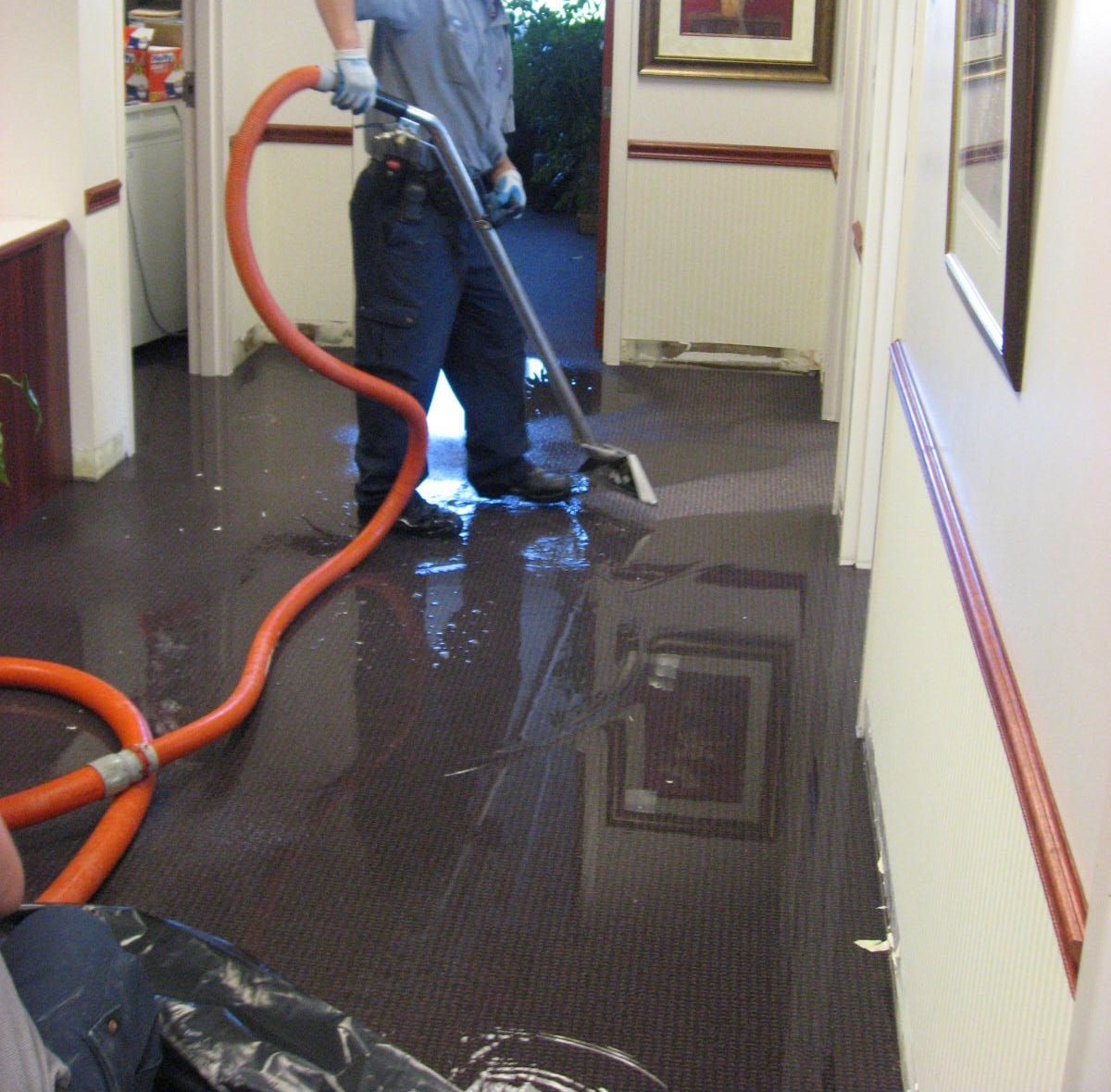
Promptly address the flooded basement or sewer backup emergency by beginning with the removal of water and debris to prevent further damage and facilitate the restoration process effectively. Use a wet-dry vacuum, pumps, or buckets to eliminate standing water. Ensure proper ventilation by opening windows and using fans to aid in drying out the area. Remove damaged items such as furniture, carpets, and personal belongings to prevent mold growth and speed up the drying process. Be cautious when handling electrical items and always prioritize safety. Dispose of contaminated items properly, following local guidelines. Clear debris like mud, leaves, and silt to prevent blockages and further damage. Thoroughly clean and sanitize the affected area to minimize health risks.
Preventing Future Incidents
Consider implementing regular maintenance checks to prevent future incidents of flooded basements and sewer backups. Start by inspecting your plumbing system for any leaks, cracks, or clogs that could lead to water damage. Ensure that your sump pump is working correctly and consider installing a backup power source in case of outages. Clean your gutters and downspouts regularly to prevent water from pooling around your foundation. Properly grade your yard away from the house to avoid water seepage into the basement. Additionally, schedule professional inspections of your sewer lines to detect any potential issues early on.
## Frequently Asked Questions
How Can I Salvage Important Documents Damaged by the Flood?
To salvage important documents damaged by the flood, first carefully remove them from the water. Then, gently separate and lay them out to dry.Avoid direct sunlight and high heat. Consider using a professional document restoration service for valuable items.
Is It Safe to Use Household Cleaners to Disinfect After a Flood?
Yes, it’s safe to use household cleaners to disinfect after a flood. Make sure to follow safety instructions on the labels. Clean surfaces thoroughly to prevent mold growth. Wear protective gear like gloves and masks for added safety.
Can I Claim Insurance for Damages Caused by Sewer Backup?
Yes, you can claim insurance for damages caused by sewer backup. Make sure to review your policy details and contact your insurance provider promptly to start the claims process and receive assistance.
What Should I Do if I Discover Mold After the Cleanup?
If you discover mold after the cleanup, address it promptly. Hire a professional to assess and remove the mold to prevent health risks. Ensure proper ventilation and moisture control to prevent future mold growth.